School Readiness
Create strong foundations for early learning.
Our School Readiness portfolio aims to increase the number of children entering kindergarten ready to thrive, setting the trajectory for their futures.
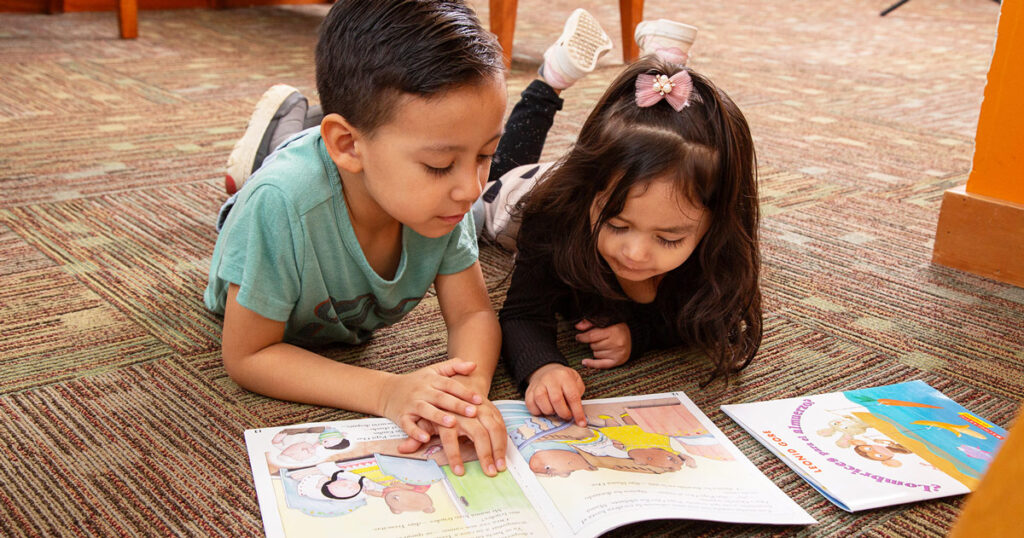
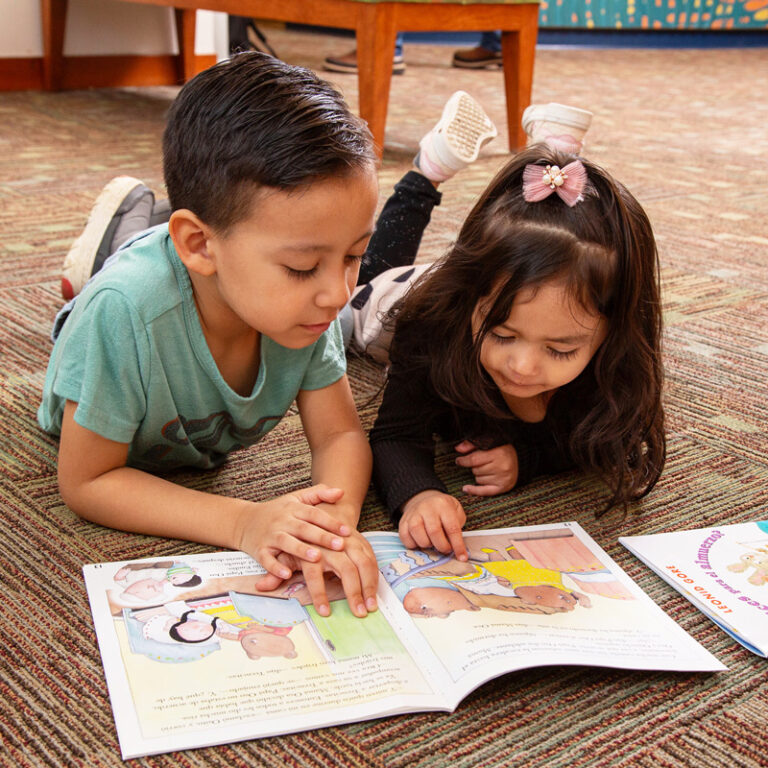
Courtesy of Reach Out and Read

Engaged Families
Support families of young children to build the foundations of school readiness through everyday interactions and intentional media use.
Strengthened Pre-K Instruction
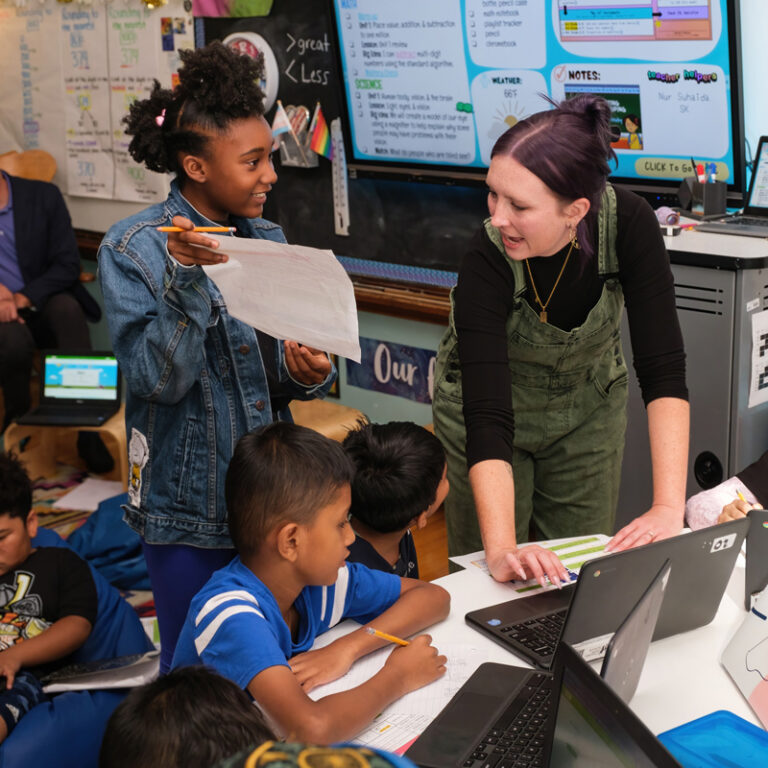
Expand young children’s access to high-quality, joyful, and rigorous Pre-K models while helping educators deliver high-quality instruction through improved professional learning, student-focused assessments, and family partnerships.
Learn more about grantees creating strong foundations for early learning.

Ensuring early childhood educators have access to relationship-driven professional learning and coaching.
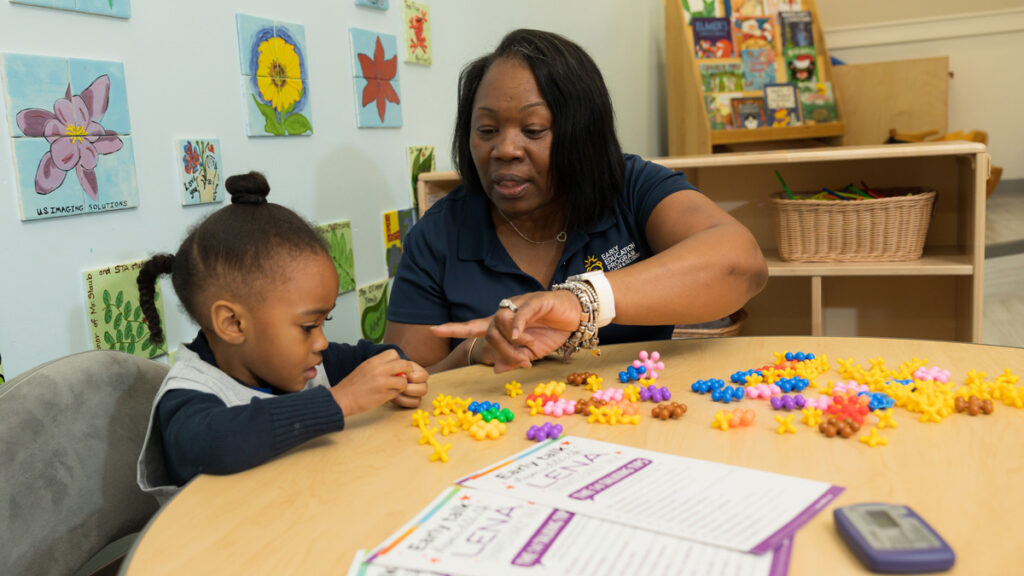
Improving early language skills through “talk pedometer” technology.
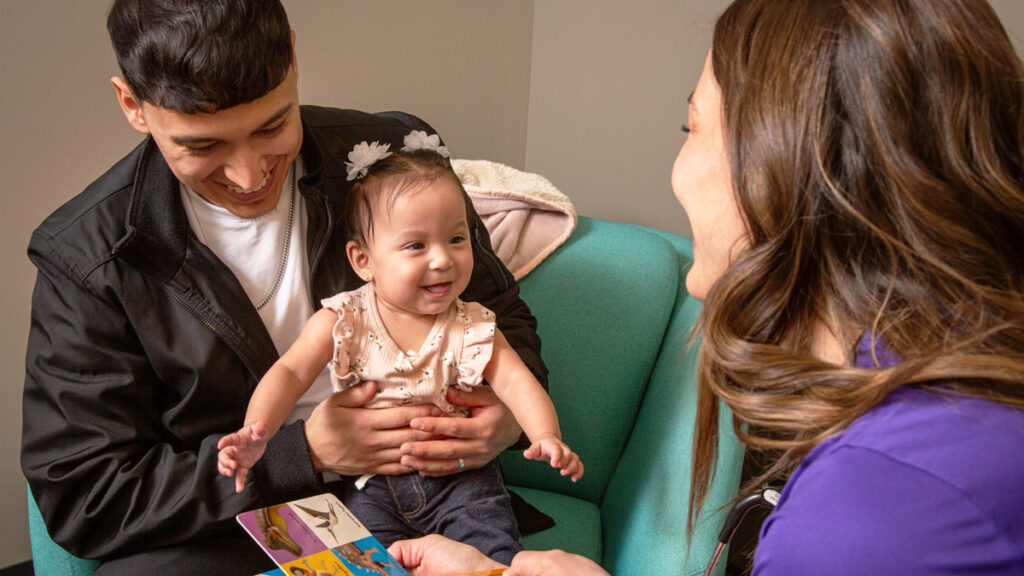
Integrating early language and literacy support into routine pediatric care.
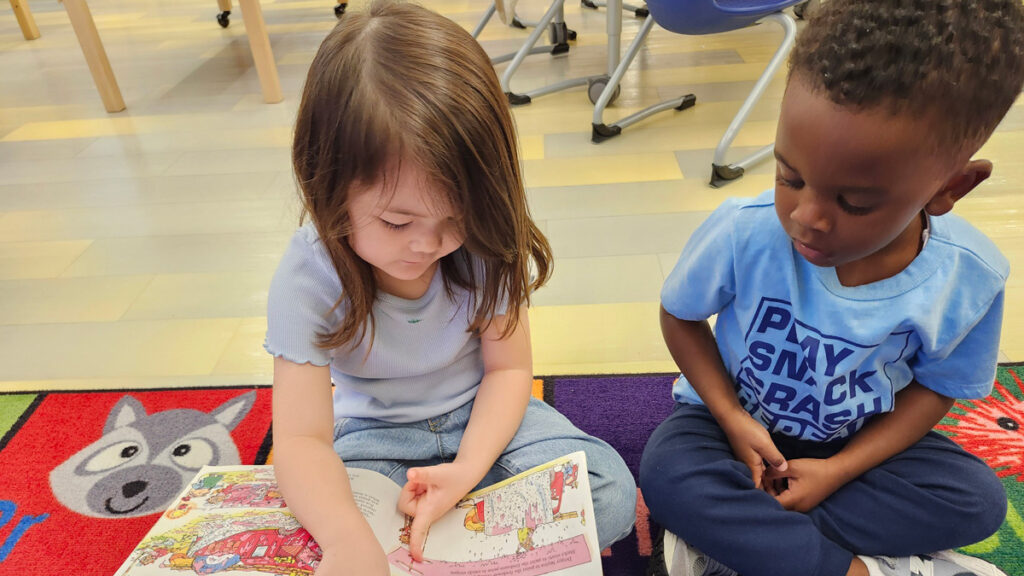
Combining comprehensive Pre-K and kindergarten curricula with educator professional development to support children’s executive function skills.
Learn more about our grantmaking and the organizations we fund.
Kindergarten readiness can have an impact on children’s success in high school and beyond, leading to better grades and lower dropout rates as well as better health and lifestyle habits. Children who enter school with key readiness skills have an 82 percent chance of mastering basic skills by age 11, compared with 45 percent for young children who are not “kindergarten ready.” Yet many children face barriers that prevent a strong start. By the time children from low-income families begin school, many already score significantly lower than their peers on reading and math achievement tests. And the COVID-19 pandemic slowed progress—a 2024 study revealed that children who started kindergarten in the fall of 2021 are “significantly behind” their older peers, particularly in math.
Children who participate in high-quality preschool programs tend to have higher educational attainment, earnings, and health outcomes than those not enrolled in preschool. Decades of research show that to deliver these lasting benefits, Pre-K programs must combine high-quality instruction, strong curricula, responsive teaching, and aligned supports. But too often, these types of programs are not accessible to families, exacerbated by early childhood workforce challenges and rising costs—on average, American families spend 18.6 percent of their income on childcare. Even when access exists, Pre-K quality can be highly variable and often lacks coherence. A 2024 comprehensive study of preschool programs found that currently available curricula do not meet children’s needs, and often fall short in advancing children’s learning across math, early literacy, and science.
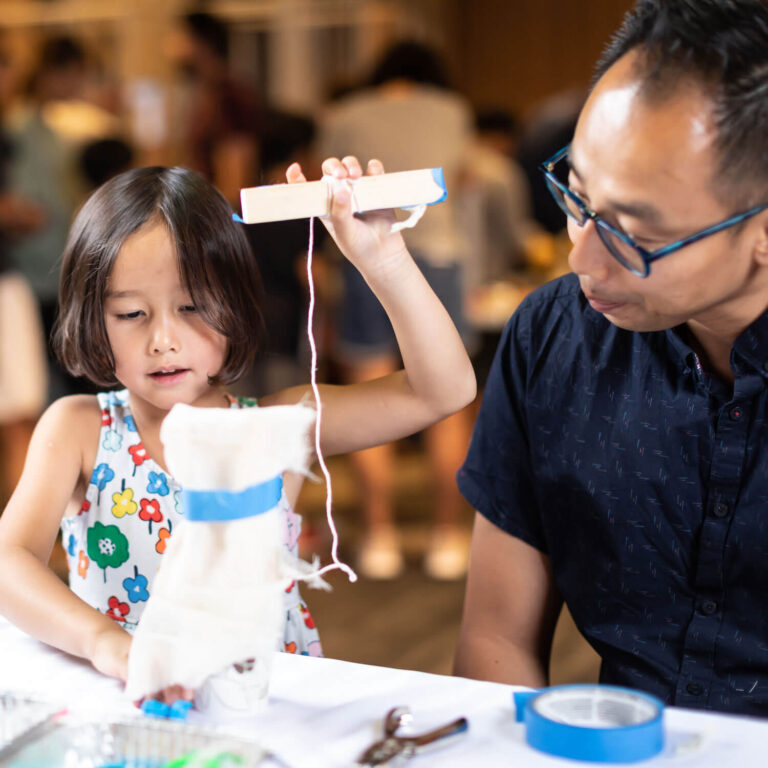
Research shows that play is associated with increased happiness, social-emotional well-being, executive functioning, and gains in academic performance for young children. Play has benefits in many forms, including unstructured free play, adult-guided play, and even playful instruction. But the trend towards “schoolification”—in which very young children’s play time is reduced or removed in favor of a narrow focus on academic outcomes—has been rising in recent years, impacting children’s overall emotional and academic well-being. According to a survey conducted by EdWeek, teachers report that children today are having more trouble with social-emotional skills than their peers five years ago.
Increased access to technology has transformed how children engage with educational content and the world around them. As a result, children eight years old and younger spend on average 2.27 hours per day with screen media. But parents are optimistic about digital platforms, with approximately three in four parents citing their enthusiasm for screen media as a tool for children to learn new things or explore new interests, according to a study conducted by Common Sense Media. These trends point to an increased need for supports designed to help families navigate the complex digital landscape and identify resources and practices that can improve learning outcomes for young children.
The use of high-quality solutions that engage families has continued to grow since the start of the pandemic, leading to measurable gains for children and families. Waterford Upstart, an interactive learning program for families that helps children build strong reading, math, and science skills, was found to add up to five months of additional learning in foundational literacy skills associated with kindergarten readiness. Reach Out and Read, a nonprofit that integrates literacy promotion into pediatric care, has demonstrated how early and frequent exposure to books fosters strong parent-child interactions and language development. By providing families with age-appropriate books and guidance from pediatricians, the program has been shown to increase the frequency of shared reading, improve expressive and receptive language skills, and strengthen early literacy foundations, particularly for children in under-resourced communities.
Discover additional insights and lessons learned
View our blogOur grantmaking and strategic support focus on three areas that together set children up for lifelong success.
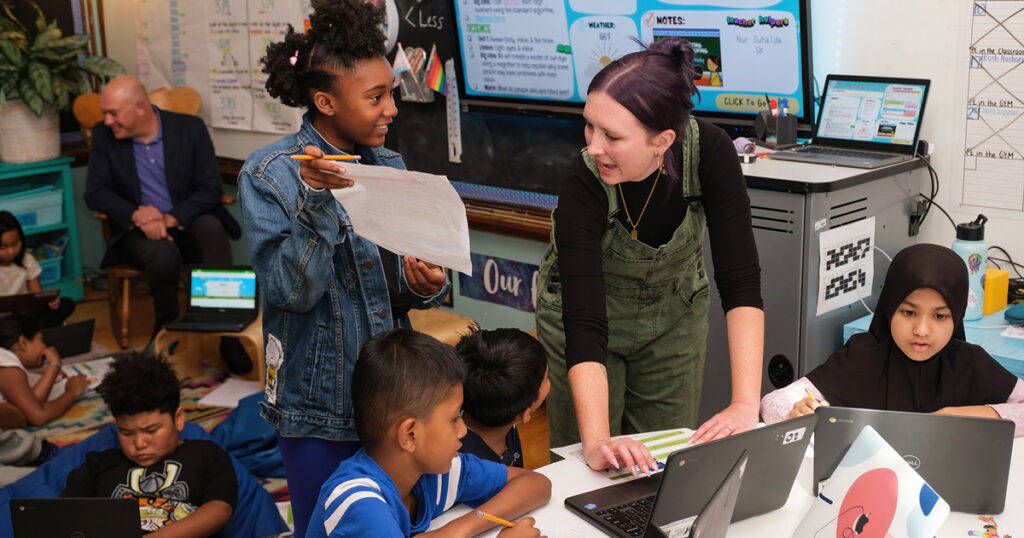
Increase the number of kindergarten through eighth grade students demonstrating meaningful growth and proficiency in literacy and math.
Help students develop the cognitive skills, meaningful connections, and sense of agency needed to thrive in a rapidly changing world.