School Readiness
Create strong foundations for early learning.
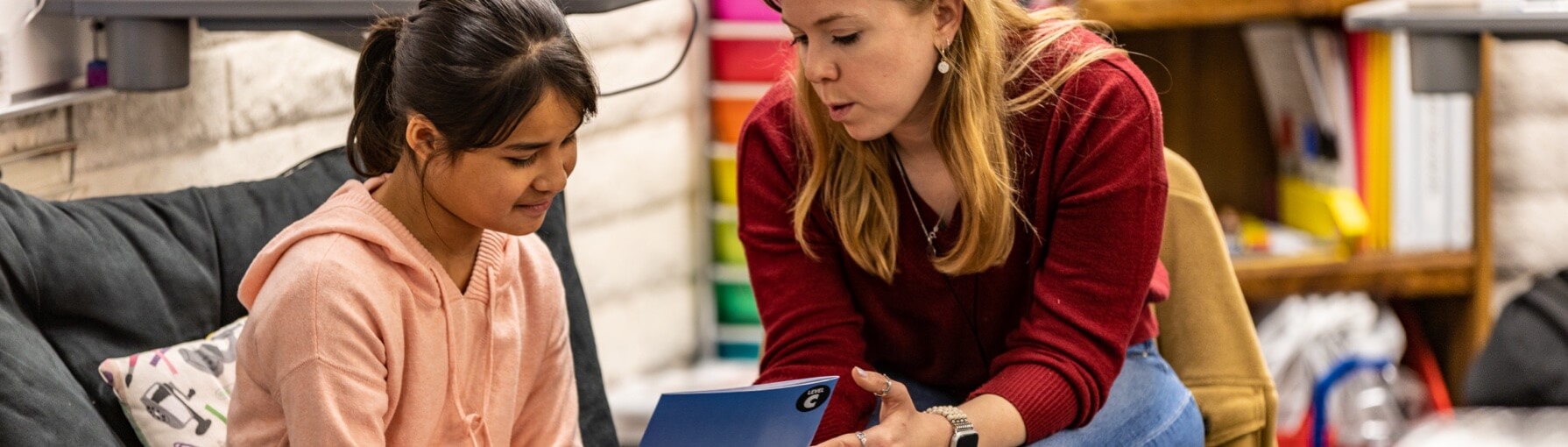
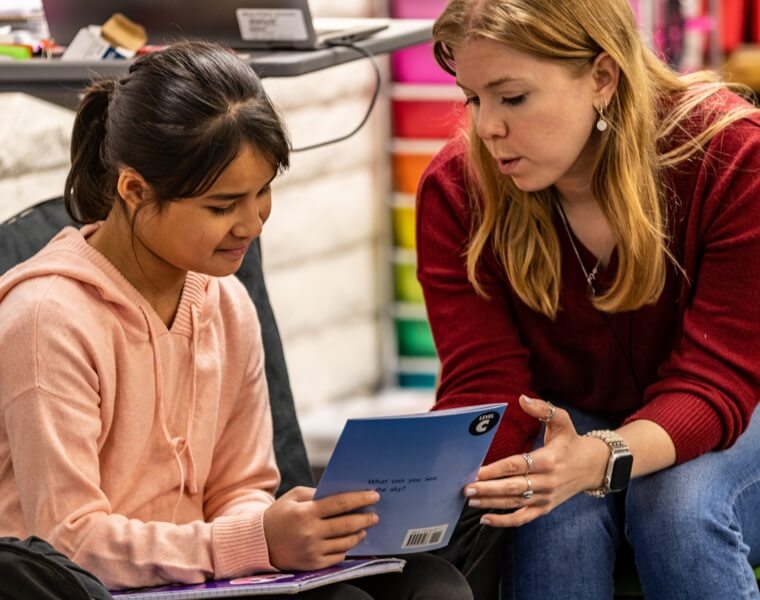
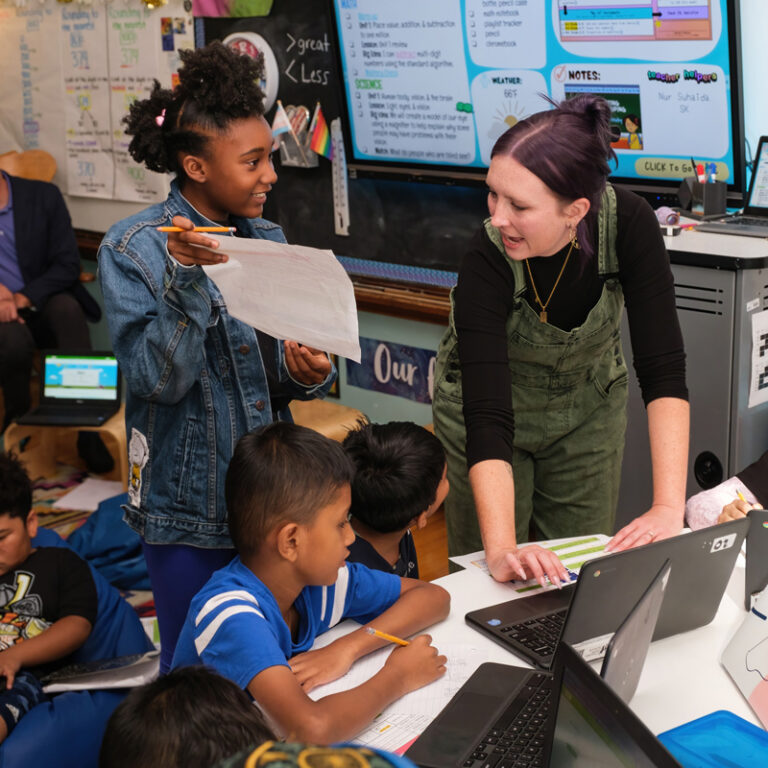
Courtesy of ASU Next Education Workforce
Research shows that curriculum-based professional learning, beyond one-time workshops, enables teachers to more effectively integrate new strategies and adapt instruction. But approximately 23 percent of teachers report receiving no support on curriculum implementation, and 38 percent received only one to five hours over the course of the academic year. Similarly, despite research indicating that coaching is one of the highest impact interventions in education to both improve the quality of teachers’ instruction and student achievement, fewer than 50 percent of teachers report receiving any amount of coaching.
Over the past five years, Overdeck Family Foundation has invested over $44 million to improve professional learning and coaching for educators, ensuring they have more opportunities to strengthen their skills and support better outcomes for all students. During that time, we’ve also begun investing in strategic staffing models that better leverage educators, class time, and technology, reimagining the traditional “one teacher, one classroom” model by creating team-based structures and differentiated educator roles. These models aim to expand student access to effective teaching while creating more sustainable, supportive roles for educators.

























Strategic staffing models that improve student access to effective teaching and create more supportive, sustainable educator roles.
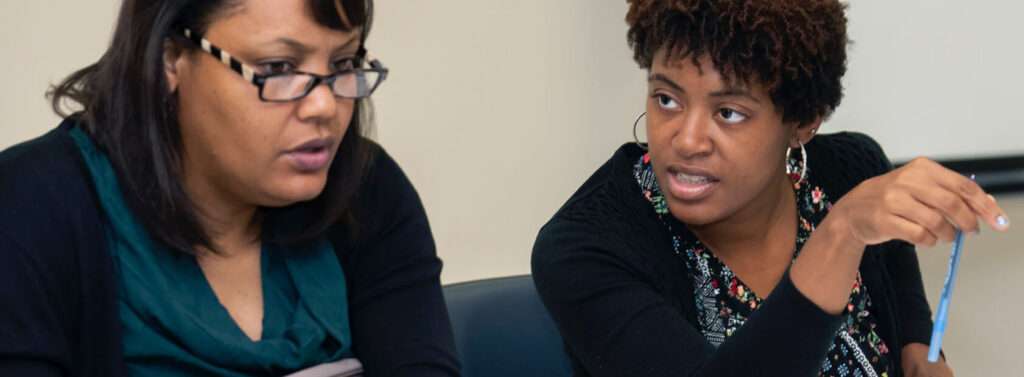
Strategic staffing refers to models that redesign staffing structures to rethink the traditional “one teacher, one classroom” paradigm: for example, creating differentiated roles to extend the impact of effective educators and accelerate educator growth or designing team-based teaching structures where educators with varied expertise collaborate to support a shared group of students. These models can involve teacher leaders, resident teachers-in-training, paraprofessionals, tutors, and instructional coaches working together in mutually reinforcing roles to better meet the needs of all learners.
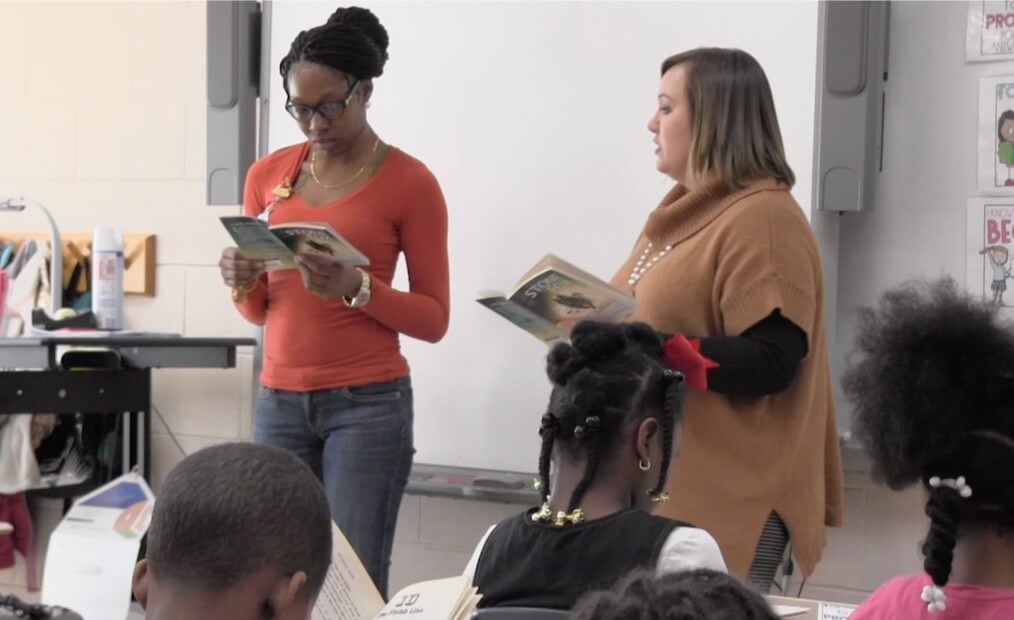
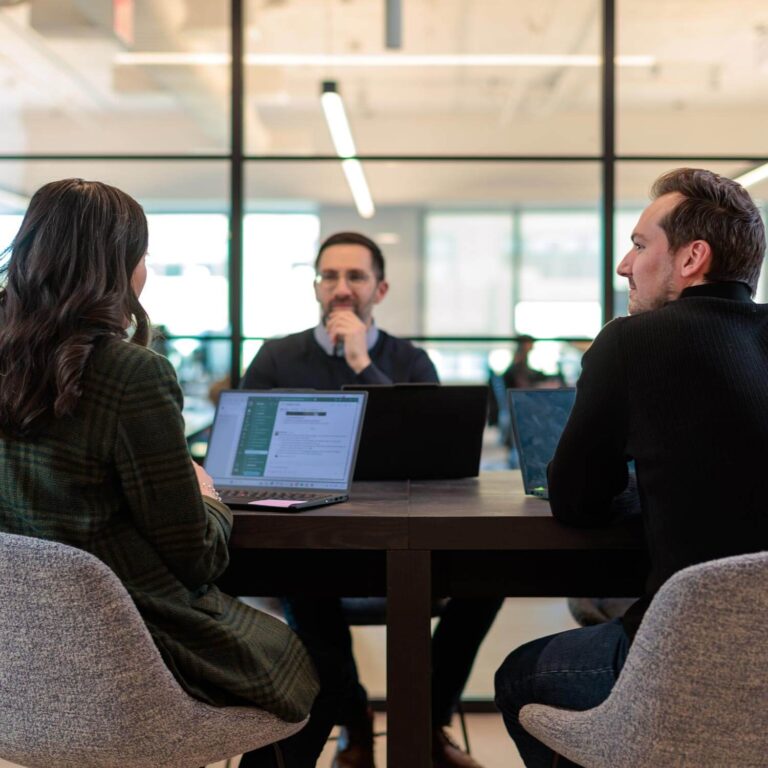
Courtesy of Public Impact
Overdeck Family Foundation has funded several different approaches to strategic staffing over the past five years:
Over the next few years, we look forward to funding the development, implementation, and evidence base of additional strategic staffing models, as well as other innovative models that extend the impact of effective educators and optimize class time and technology for increased learning.
Research to understand how technology and artificial intelligence can improve professional learning and coaching.
Over the past five years, Overdeck Family Foundation has invested in research to better understand how technology and artificial intelligence (AI) can improve professional learning and coaching, as well as whether strategic staffing models benefit both educators and students. Here’s what we’ve learned:
The scale of evidence-based models that strengthen professional learning and optimize teachers’ time and resources.

Redesigning Instruction To Optimize Classroom Time and Curriculum Implementation
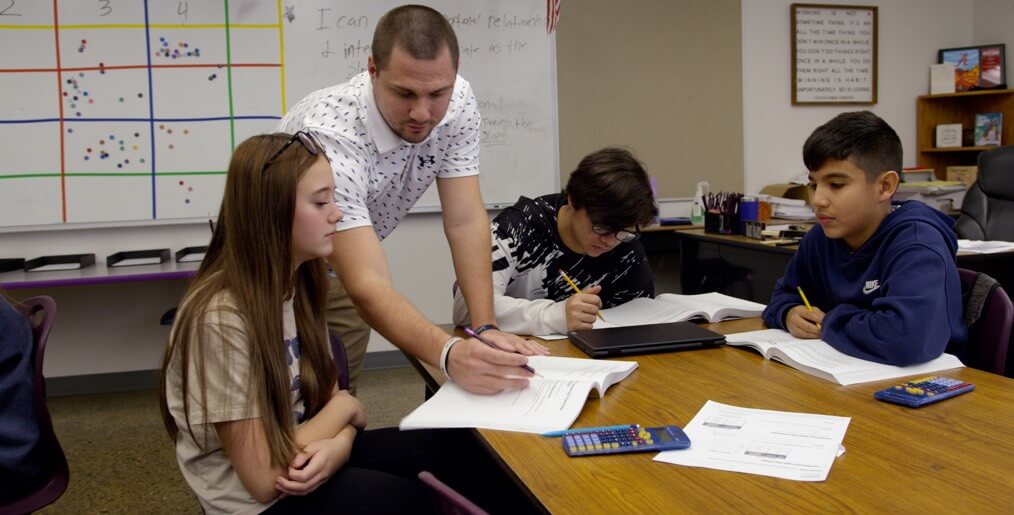
Modern Classrooms Project launched in 2018 and has grown steadily over the past several years through a combination of direct teacher engagement and district partnerships. It also evolved its core model toward offering curriculum-embedded solutions aligned with high-quality instructional materials (HQIM), which has improved educator satisfaction and increased scalability by making it easier to implement HQIM.
Alongside its growth, Modern Classrooms Project has begun to demonstrate how its instructional model can translate into measurable changes in classroom practice and curriculum use. An external evaluation found that 89 percent of Modern Classrooms Project teachers reported being able to meet students at different levels of understanding, compared to 44 percent of peers; and 86 percent reported working closely with individual students during class time, compared to 19 percent of comparison teachers. Emerging evidence funded by Overdeck Family Foundation also suggests that Modern Classrooms-trained teachers implemented curriculum with higher fidelity than non-Modern Classrooms-trained teachers, with a 14.5 percentage point increase at the highest level of curriculum fidelity after just months of implementation.
Modern Classrooms Project has grown its reach by 129 percent over the past five years.

Reimagining the Teaching Profession To Improve Outcomes for Both Educators and Students

After launching in 2019, Next Education Workforce was able to grow its reach in the first year of operation from 33 to 269 teachers—a 715 percent increase—ultimately reaching 6,660 students through classrooms led by teacher teams with distributed expertise. Its growth has greatly expanded the number of schools and districts that have access to innovative staffing models at a time of unique challenges for the teaching profession.
A 2025 evaluation of Next Education Workforce conducted by ASU’s Mary Lou Fulton College for Teaching and Learning Innovation in collaboration with the Center on Reinventing Public Education and Penn Graduate School of Education found evidence that team-based staffing is associated with stronger teacher retention and professional experience. Teachers working in Next Education Workforce teams were less likely to leave their positions than those in traditional classroom models, with turnover of 12 percent compared to 21 percent for non-Next Education Workforce teachers. The study also found that participating teachers reported greater decision-making authority and deeper collaboration, factors strongly linked to retention and improved teacher-student interactions.
Overdeck Family Foundation’s funding, in addition to deep capacity-building support, has allowed Next Education Workforce to grow its reach, evaluate its impact, and improve its understanding of the cost of delivering programs, positioning the organization to further codify and scale its model.
Since SY 2021-22, Next Education Workforce has grown its reach by 420 percent.

Empowering Teachers To Drive Their Own High-Impact Professional Learning
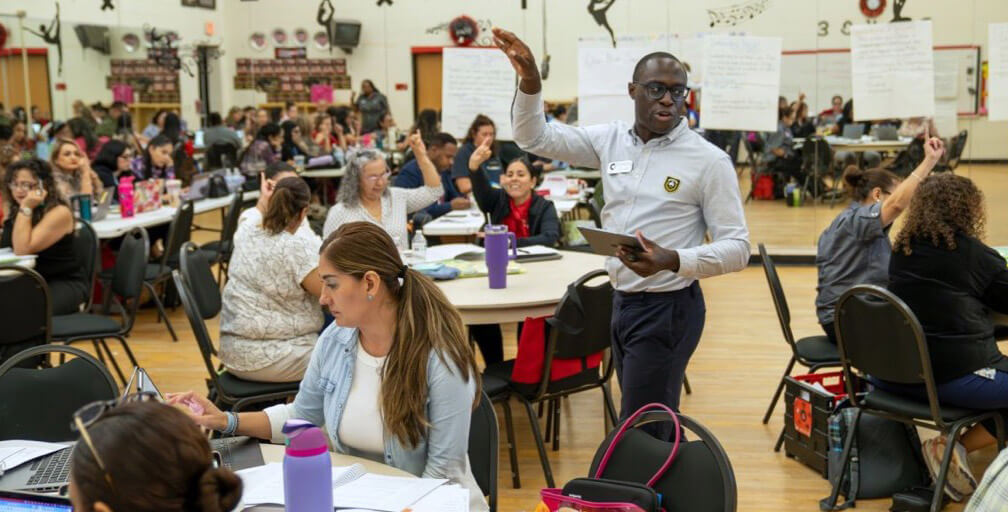
Over the past several years, Teaching Lab has accomplished continued expansion via large district and state procurement contracts, as well as blended delivery models and artificial intelligence (AI)-enabled support that extended its reach while maintaining model rigor. In 2024, Teaching Lab launched the Teaching Lab Studio, which allows the organization to develop, test, and scale AI-enabled tools and models that promote coherence, improve teacher practice, and deepen student learning.
In the process of scaling, Teaching Lab has continued to generate self-reported evidence that the model supports stronger teacher practices and enhances student learning across partnerships: increasing teacher content knowledge by 13 percent; improving teacher practice by 30 percent; and increasing student learning by up to 23 percent. In some larger partnerships, Teaching Lab has demonstrated more rigorous evidence of impact. For example, Teaching Lab and researchers at the University of Maryland received support from fellow grantee the Research Partnership for Professional Learning to conduct a randomized controlled trial of its PL model in New Mexico. The study found more robust causal evidence that Teaching Lab professional learning in math led to some improvements in teachers’ instructional practices and also boosted student engagement in math.
Overdeck Family Foundation has funded Teaching Lab since 2016, and the organization’s current CEO, Dr. Sarah Johnson, is a Foundation alumna. In addition to providing general operating support and various capacity-building opportunities to help Teaching Lab generate evidence of impact and scale nationally, the Foundation also supported the launch of Teaching Lab’s partnership with NYC Reads for SY 2023-24, which paired Teaching Lab with five new districts in New York City to implement high-quality English language arts and math curricula and support teachers through aligned professional learning. In 2025, Teaching Lab announced it was joining forces with Relay Graduate School of Education to scale high-impact supports for educators and leaders nationwide.
Teaching Lab’s reach has grown 350 percent since 2021.