



This story was originally published by The 74, a nonprofit, independent news organization focused on education in America.
As artificial intelligence changes how we learn and work, schools face growing pressure to prepare students for an uncertain future. Academic knowledge remains essential. But young people also need to develop the ability to think critically, build relationships and take initiative in shaping their lives.
Developing these future-ready skills takes practice: opportunities to make decisions, work through challenges, and learn alongside others. Afterschool and summer programs should be central partners in providing those experiences and in shaping how communities prepare children for the future.
These programs offer valuable additional time for enrichment and learning; by some estimates, kids spend about five hours a week, on average, in programs outside the classroom. Just as important is what they make possible during those extra hours.
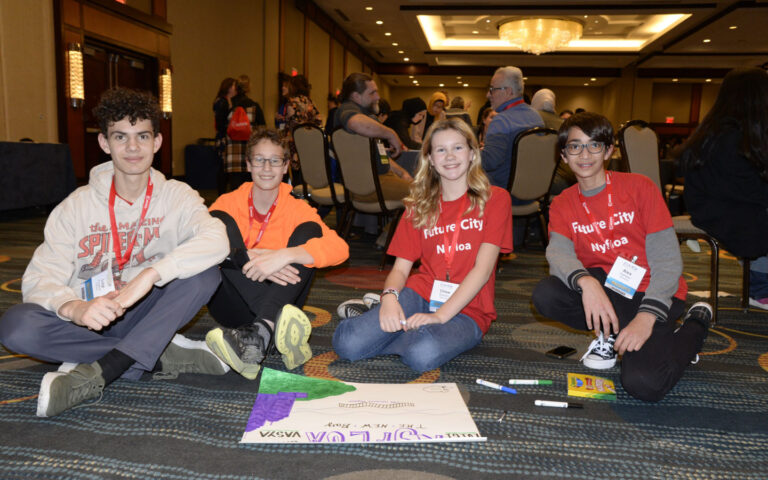
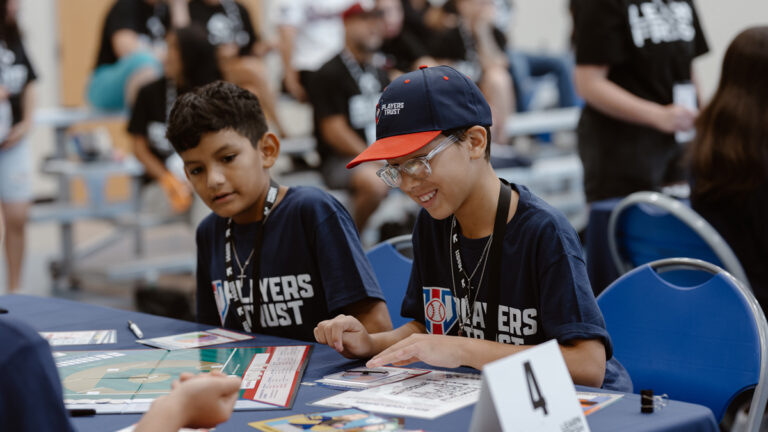
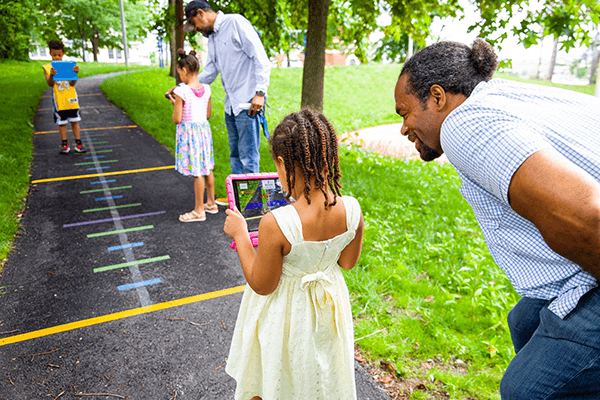
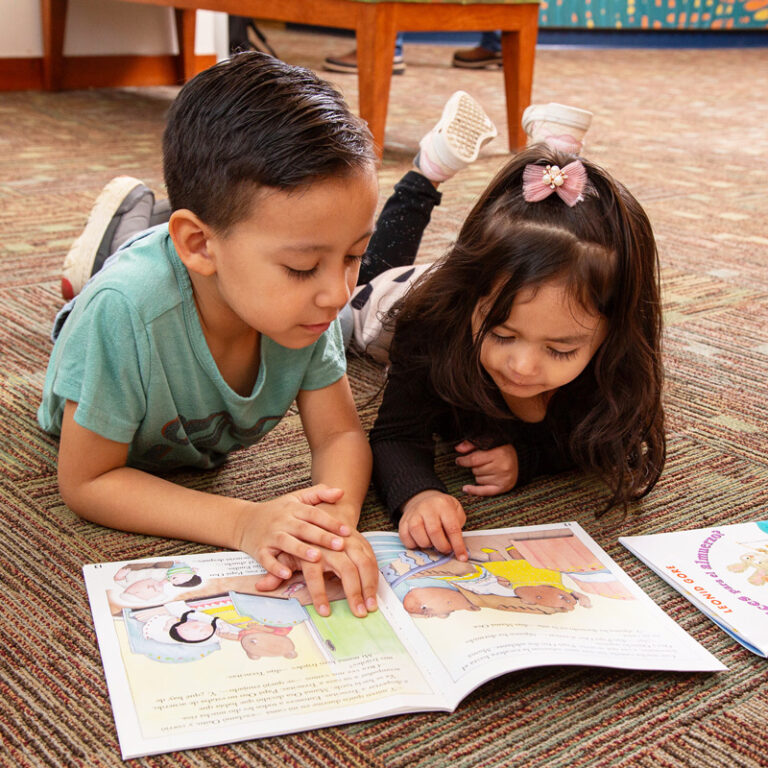
High-quality programs bring young people together with caring adults, offer opportunities to explore new interests and give children room to experiment, make mistakes and try again. The flexibility and often student-driven format also allows kids to help determine what and how they learn, pursuing projects that matter to them.
Overwhelmingly, parents prioritize opportunities to build communication, teamwork and critical thinking when choosing afterschool programs. And 82% report high levels of satisfaction with how their programs support these skills.
High-quality programs bring young people together with caring adults, offer opportunities to explore new interests and give children room to experiment, make mistakes and try again.
Our work in philanthropy and youth development points to a shared conclusion: Out-of-school settings can make a meaningful contribution to the skills young people need for school, work and life. Realizing that potential requires deliberately including out-of-school providers in the plans for how those skills are taught, practiced and recognized year-round.
Consider one Boys & Girls Club program, where teens in Milford, Connecticut, were challenged with solving a problem in their local community. Prompted by recurring flood sirens and their club’s proximity to the beach, they chose to investigate flooding along the town’s shoreline. With support from their club director, the students engaged local scientists, residents and government officials to understand the problem and explore potential solutions. Their work culminated in a community event to plant shoreline vegetation that might stabilize soil and mitigate flooding.
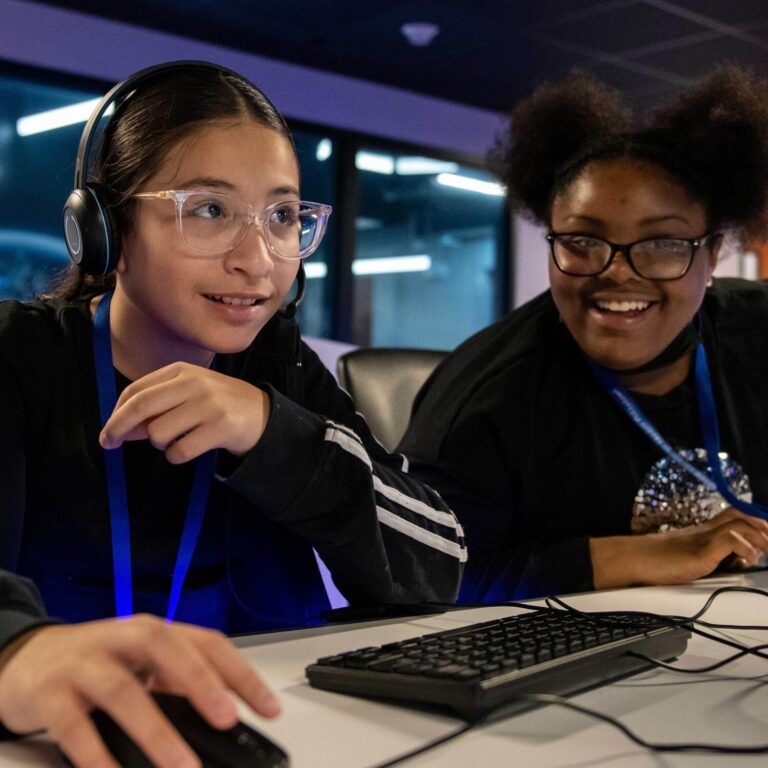
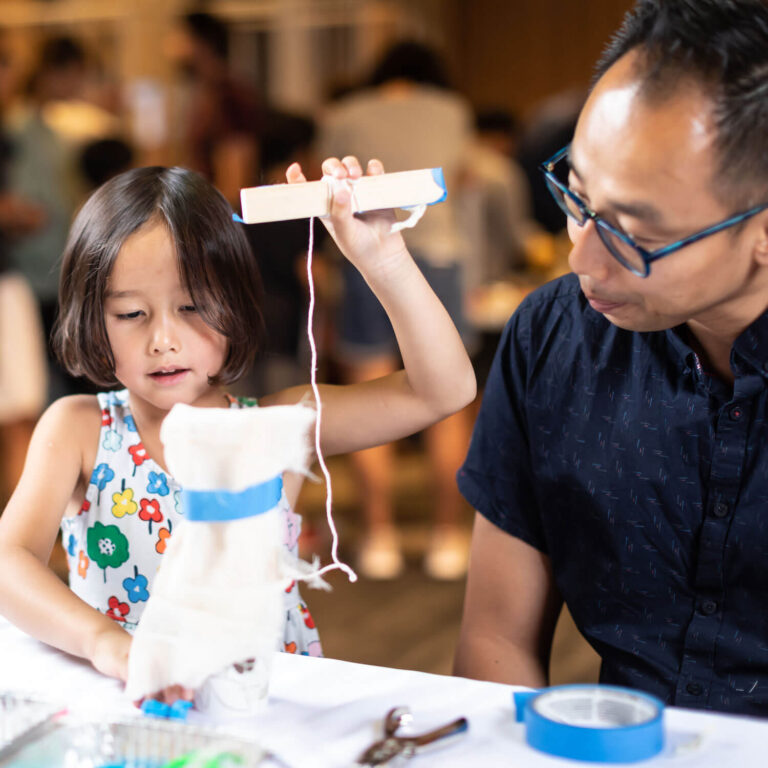
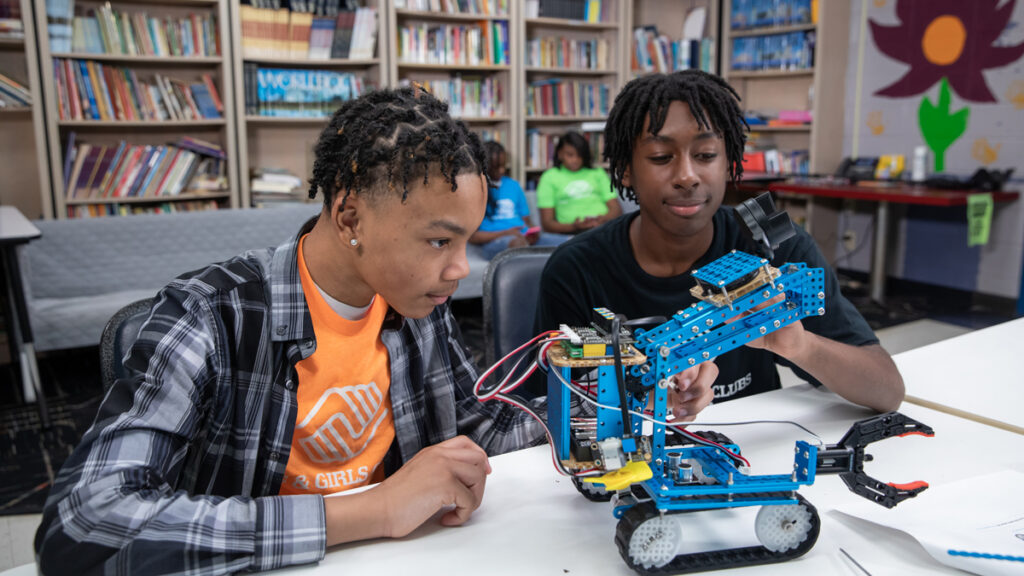
At another Boys & Girls Club in Newton, Massachusetts, teen mentors support elementary-age kids in exploring science, technology, engineering and math (STEM) problems relevant to their lives. Students build electrical circuits to better understand how their electronics work, and they extract DNA from a strawberry to learn about DNA’s properties — developing critical thinking, experimentation and problem-solving skills along the way. Mentorship from peers and adults also supports the development of critical interpersonal skills, such as relationship-building, teamwork and communication.
Employers consistently rank these skills among the most important for workplace success, and experiences like these give young people a chance to use them now and in the future. Students solve real problems by weighing evidence and comparing possible solutions. They learn to collaborate and communicate as they navigate disagreements, explain their decisions and build relationships. And they experience agency: turning an idea into action and seeing that their choices and contributions can make a difference.
The opportunity for learning is clear, but the question is how schools and out-of-school providers can create a shared plan for student success. Many districts have already articulated the student outcomes they want through “Portraits of a Graduate,” which describe what students should know and be able to do when they graduate high school.
A national analysis of 272 district portraits found that more than 95% included workforce skills frequently cited in job advertisements, such as teamwork, communication and adaptability. Additional analysis showed that far fewer included guidance for implementing their visions.
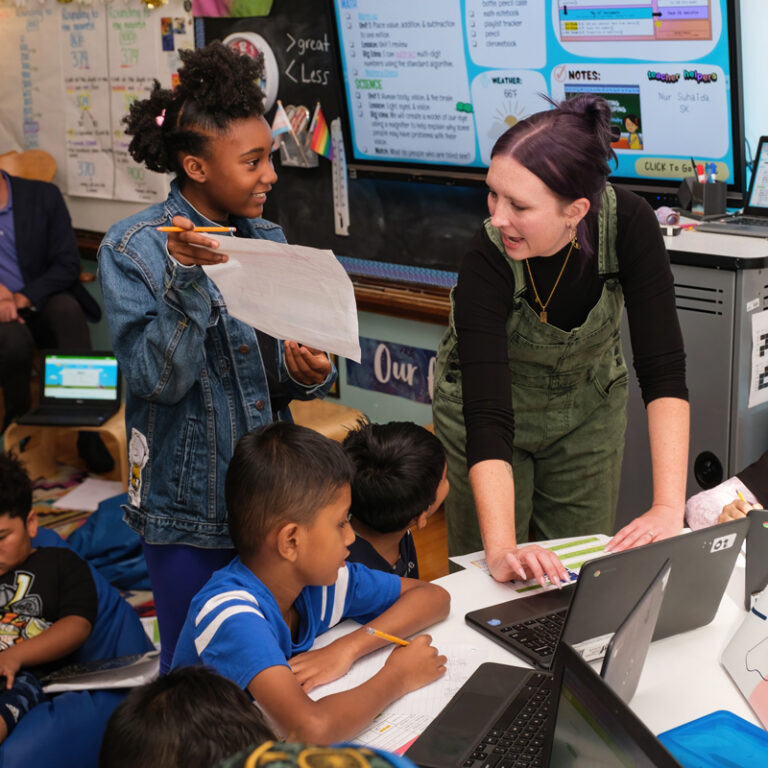
To ensure students have enough opportunities to practice the skills they’ve identified as essential, school leaders should bring out-of-school providers into the planning. Together, they can identify where students already practice these skills, where opportunities are missing and how classroom and out-of-school experiences can reinforce one another. Students are a critical, and often overlooked, part of these conversations, and their feedback and insights should also be incorporated.
To ensure students have enough opportunities to practice the skills they’ve identified as essential, school leaders should bring out-of-school providers into the planning.
Some communities are already making out-of-school learning “count.” In Laconia, New Hampshire, high school students can earn credit through extended learning opportunities developed with educators and community partners. In New York City, the Sail Academy program allows middle and high school students to earn elective credits toward graduation through STEM-focused coursework and sailing education. Students are also able to get support with college applications and participate in job skills training and networking opportunities.
These credit-for-learning initiatives offer one way to recognize learning across settings. The broader goal is a shared approach to developing future-ready skills — one that connects classroom and out-of-school experiences while preserving the flexibility, relationship building and choice that make out-of-school programs valuable.
Funders have a role in making this opportunity possible. We can support evidence-building for out-of-school time organizations, helping them understand and communicate their impact on young people’s development. We can increase access to high-quality programs, so more kids can benefit. And we can help spearhead partnerships across settings, finding ways for policymakers and practitioners to recognize the combined value of learning, regardless of where it happens.
If communities want young people to think critically, work collaboratively and have agency in shaping their futures, they must provide meaningful opportunities to practice those skills. Preparing future-ready kids takes more than the school day.