




We’ve long believed that to be truly impactful as an education funder, we need to hold both the present and the future in view—responding to today’s realities while anticipating what’s coming next. That means listening closely, anticipating future trends, and continuously learning from our grantees, peer funders, researchers, and partners across the philanthropic and education sectors to refine our work and strengthen our impact.
Over the past five years, our venture-inspired funding model has shaped how we approached our work, collaborated with grantees, and contributed to the field. Next month, we’ll publish a retrospective report reflecting on the impact of our investments and the lessons learned along the way.
But today, we’re excited to share what’s next.
The education landscape is shifting rapidly—academically, technologically, and structurally. U.S. schools and districts continue to grapple with slow and uneven post-pandemic academic recovery amid broader uncertainty. Advances in artificial intelligence (AI) are reshaping how information is accessed and applied in daily life. Shifts in federal oversight are elevating the role of states as primary drivers of policy and systems change. And economic headwinds, combined with constrained public and philanthropic budgets, are creating a leaner funding climate. While much about the future of education and work remains unknown, one thing is certain: all children need strong academic foundations alongside the social-emotional skills, cognition, and agency to navigate the world around them.
This belief underpins our updated mission for 2026 and beyond: to prepare children with the skills and mindsets they need to navigate and shape their futures.
While our core funding approach remains the same, we’ve used this moment to refresh our grantmaking areas and strategies—creating clearer alignment between focus areas, target outcomes, and funding priorities for both current and prospective grantees. Here’s a top-level snapshot of what you can expect:
- A more focused grantmaking scope across three priority focus areas spanning birth through eighth grade: School Readiness, School Success, and Future Readiness (learn more about each of these areas, below);
- Deeper alignment between direct impact and ecosystem investments—backing bold new ideas with the potential to improve student outcomes and seeding the enabling conditions that make scale and sustainability of those ideas possible;
- Continued cross-cutting investments that span focus areas, such as efforts to address chronic absenteeism and improve the quality of AI-enabled solutions;
- An increased focus on encouraging the adoption of rigorous, relevant, and actionable research (read about our 2026 research strategy on our blog); and
- An ongoing commitment to fostering deeper transformational relationships with our grantees, including robust capacity-building support offerings that catalyze innovation, evidence, and growth.
Our 2026 focus areas and aligned strategies
Below, you’ll find an overview of each focus area and the strategies that will guide our investments in 2026 and beyond. To learn more about each area, join us for a special webinar on Tuesday, April 7th at 3 p.m. ET.
While these updates reflect meaningful evolution in our thinking, they’re grounded in the same vision that has guided our foundation for years: ensuring all children have the opportunity to unlock their potential. Year-round, our team will continue to evaluate these strategies and make adjustments as needed to ensure our work is responsive to the needs of our grantees and their beneficiaries in a quickly evolving environment.
School Readiness
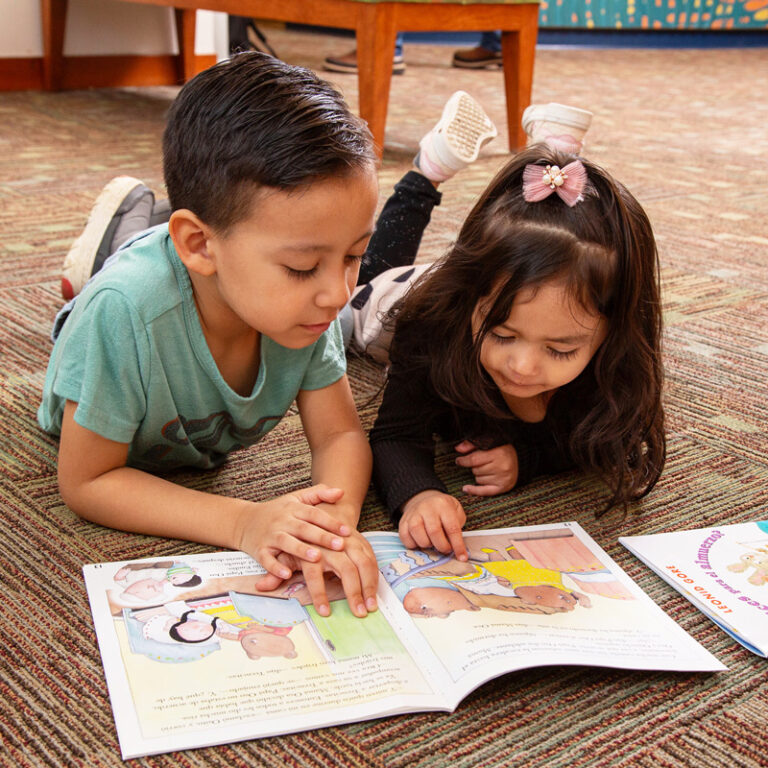
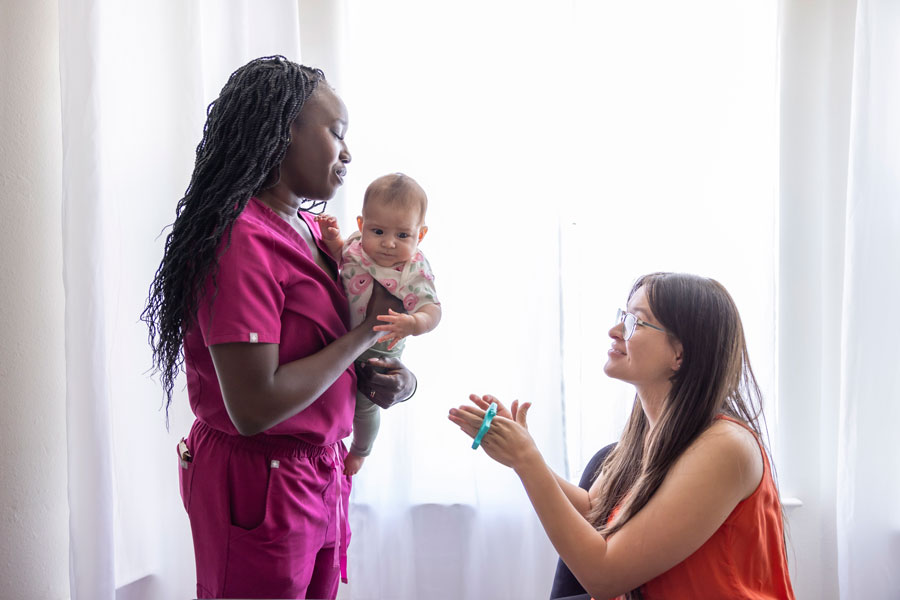
Our School Readiness focus area aims to ensure more children enter kindergarten ready to thrive by strengthening early learning quality, at home and in school. Through this work, we expect that, by 2030, more young children will attend high-quality preschool and experience responsive at-home learning opportunities and relationships that together foster the development of foundational language, literacy, math, social, emotional, and executive-functioning skills.
Early childhood education has been central to our work since the foundation’s founding in 2011 because the early years are a pivotal building block for children’s development. Research consistently shows that kindergarten readiness is linked to improved academic outcomes, long-term educational attainment, and overall well-being.
Looking ahead, we’re doubling down on two areas we believe will have the greatest potential to strengthen early learning quality: at home and in school. At home, we’re particularly interested in how children’s access to media and technology impacts how they learn and interact at a young age. Studies show that children eight years old and younger spend on average 2.27 hours per day with screen media, underscoring the need for supports to help families navigate the increasingly complex digital landscape so that children can continue to develop key readiness skills such as early language and emotional regulation through daily interactions with parents and caregivers.
In school, we know that Pre-K remains one of the most powerful drivers of school readiness. In recent years, we’ve seen Pre-K access continue to expand, with approximately 1.75 million children enrolled in state-funded Pre-K programs as of SY 2023-24—an increase of seven percent from the prior year. Yet despite this progress, the quality of programming is uneven, with only 18 state-funded programs meeting nine or 10 of NIEER’s benchmarks for minimum Pre-K quality.
In response to these trends, our School Readiness grantmaking in 2026 will strive to:
- Support families of young children to build the foundations of school readiness through everyday interactions and intentional media use; and
- Strengthen Pre-K instruction, expanding young children’s access to high-quality, joyful, and rigorous Pre-K models while helping educators deliver high-quality instruction through improved professional learning, student-focused assessments, and family partnerships.
Courtesy of Changent
School Success
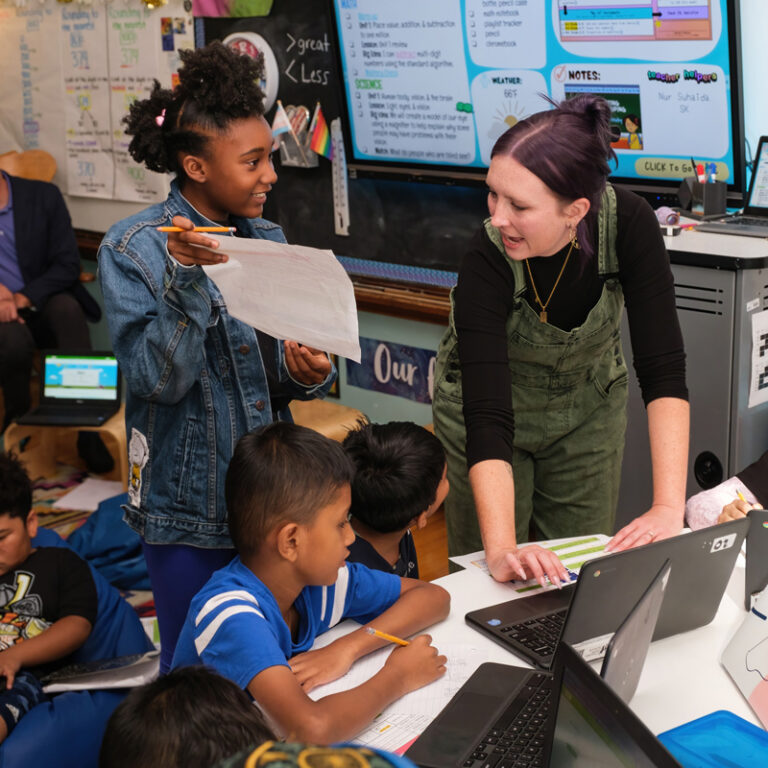
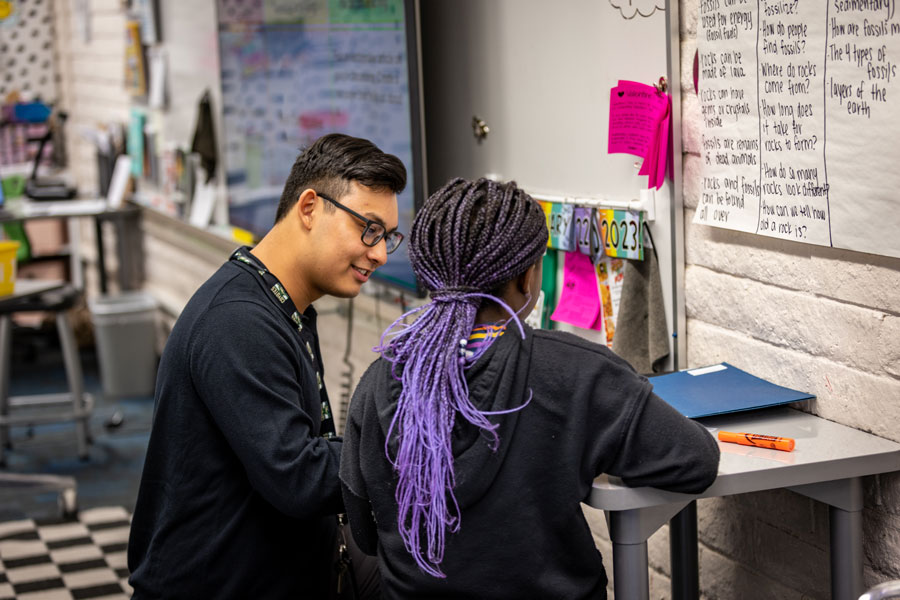
Our School Success focus area aims to increase the number of kindergarten through eighth grade students demonstrating meaningful growth and proficiency in literacy and math by improving the quality, implementation, and coherence of materials, instruction, and learning environments. By 2030, we expect more students to experience engaging learning aligned with their needs, and more educators to be supported and prepared to improve outcomes for all students.
While students have made some post-pandemic gains, overall recovery has stalled. National Assessment of Educational Progress (NAEP) results show most fourth- and eighth-grade students remain below 2019 performance in reading and math, with one-third of eighth-graders—a historically large share—scoring below “NAEP basic” in reading. This decline has implications not only for students’ engagement and success in school, but also for their future earning potential and the economy.
We know what works to accelerate learning:
- Instruction anchored in high‑quality instructional materials (HQIM) has been found to have positive impacts on student achievement when those materials are used with fidelity;
- Differentiated supports, such as high-impact tutoring, can translate into months of additional learning gains; and
- Coaching has been shown to be one of the highest impact interventions in education to both improve the quality of teachers’ instruction and student achievement.
But uneven implementation quality has meant that even things with promising evidence haven’t consistently lived up to their promise. While we’ve seen the availability and adoption of high‑quality curricula grow over the past decade, almost all teachers still supplement HQIM with additional materials, creating fragmented instructional experiences. Additionally, only 30 percent of teachers report receiving professional learning aligned with their curriculum, and fewer than 50 percent of teachers report that they’ve received any amount of coaching, despite evidence showing that pairing HQIM with curriculum-based coaching leads to stronger student outcomes.
These ongoing challenges point to an opportunity to not only improve the implementation of high-quality solutions, but also to reimagine how schools deploy people, time, technology, and other resources to deliver stronger teaching and learning.
Guided by these insights, in 2026 the School Success team will strive to:
- Support the development, scale, and implementation of coherent, high-quality curriculum and assessments;
- Expand access to, and the cost-effectiveness of, high-quality professional learning and coaching aligned with the science of learning that supports educators in facilitating rigorous, coherent instruction;
- Increase scale and cost-effectiveness of high-impact tutoring and other evidence-based differentiated supports that accelerate student learning; and
- Explore innovative models that optimize time, talent, and technology to strengthen teaching and learning.
Courtesy of ASU Next Education Workforce
Future Readiness
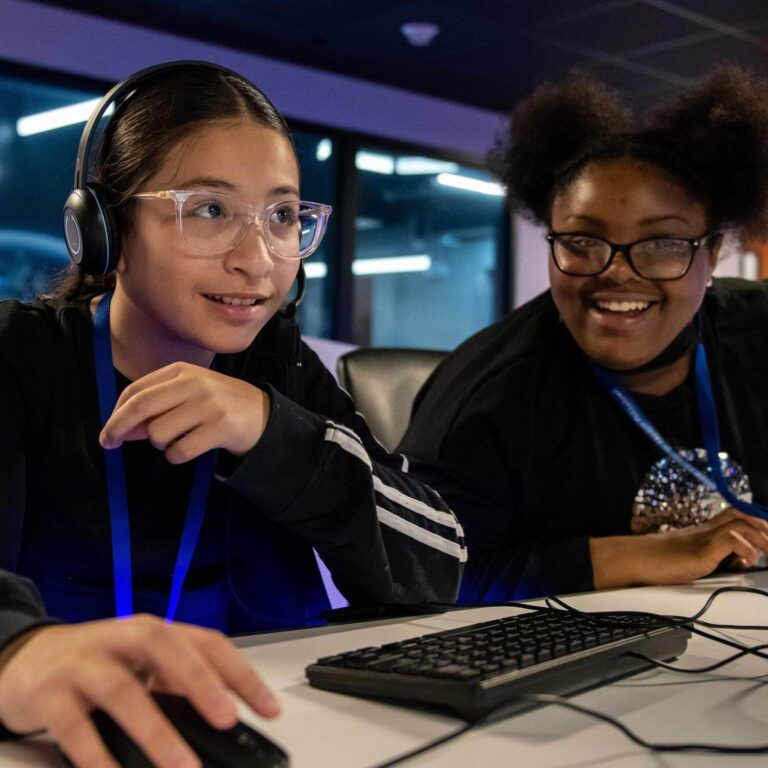
New to the Foundation, the Future Readiness focus area aims to help students develop the cognitive skills, meaningful connections, and sense of agency needed to thrive in a rapidly changing world. By 2030, we expect to see increased access to active, collaborative, and engaging learning environments, resulting in more students being equipped to engage in deeper thinking, develop healthy relationships with peers and adults, and set and achieve goals that matter to them.
Anticipated technological acceleration, employment disruption, and other large-scale societal shifts will require children to navigate dynamic environments across school, community, and work. Knowing this, we believe future readiness is not about preparing students for specific careers. It’s about ensuring they have a holistic set of knowledge, skills, and relationships to help them succeed in whatever comes next.
Joyful, rigorous learning, both in and out of school, is at the heart of this work. Research suggests that students who report having highly engaging experiences at school are significantly more likely to feel optimistic about and prepared for their future, but these experiences are far from the norm. In a recent study, only 50 percent of students agreed they get to do what they do best at school every day. And these challenges extend beyond the school day. Out-of-school-time settings are particularly well-suited to promote social-emotional outcomes due to greater flexibility in programming, the attention to healthy youth development, and a deeper focus on exploration and student-driven learning. Yet, more than three in four kids do not have access to afterschool programs their parents want them to attend.
We also know that pandemic-era isolation, coupled with technological advances, disrupted social development for students nationwide, creating gaps in collaboration and relationship-building skills. High-quality programs and tools that strengthen these social connections—whether between peers and older youth or with caring, qualified adults—are essential to children’s development and needed now more than ever. Well-studied interventions like mentoring, for example, positively correlate with outcomes such as relationship-building, social competence, and peer connectedness, and we’re also tracking new innovations that use technology in pro-social ways to support, rather than degrade, young people’s skill development.
In response, our 2026 Future Readiness strategies will:
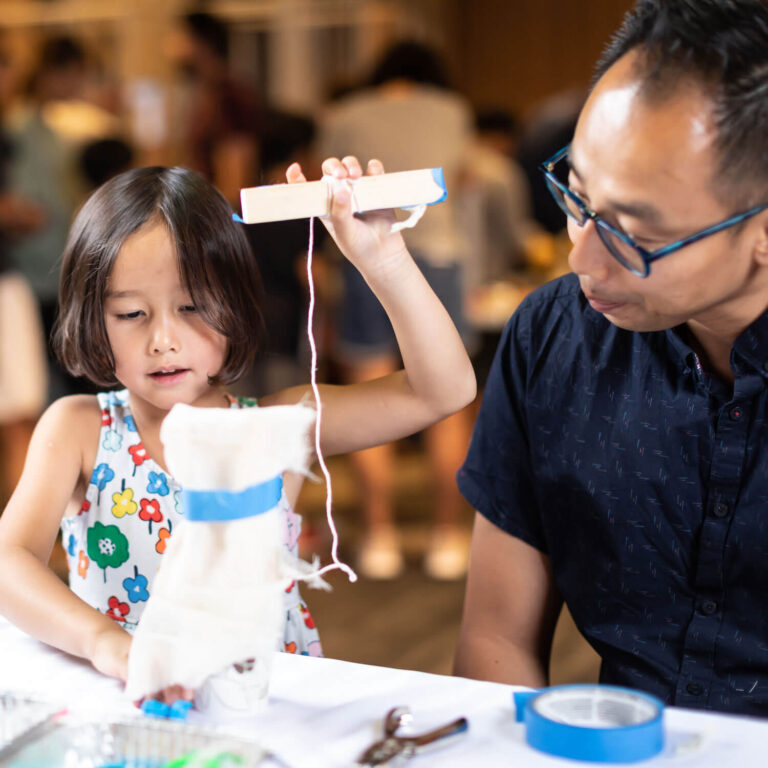
- Expand access to active, inquiry-based learning experiences—including out-of-school programs and in-school project-based learning—that build critical thinking and problem-solving skills; and
- Strengthen communication, collaboration, and agency through online and offline peer-to-peer experiences, mentoring, and advising programs that help young people recognize and fulfill their potential.

Courtesy of FIRST
Turning strategy into impact
As we move into this next chapter, we’re committed to learning alongside our partners and sharing what works—so more children have the opportunity to succeed, now and in the future. Follow our journey on our blog, LinkedIn, and in our newsletter. If your organization fits into any of the focus and strategy areas outlined above, we invite you to contact us.
Read our 2026 Research Strategy to learn how we’re expanding our investments in research, data, and evidence to generate more rigorous, timely insights that can inform decisions across education policy and practice.