School Readiness
Create strong foundations for early learning.
Our Future Readiness portfolio helps students develop the cognitive skills, meaningful connections, and sense of agency needed to thrive in a rapidly changing world.
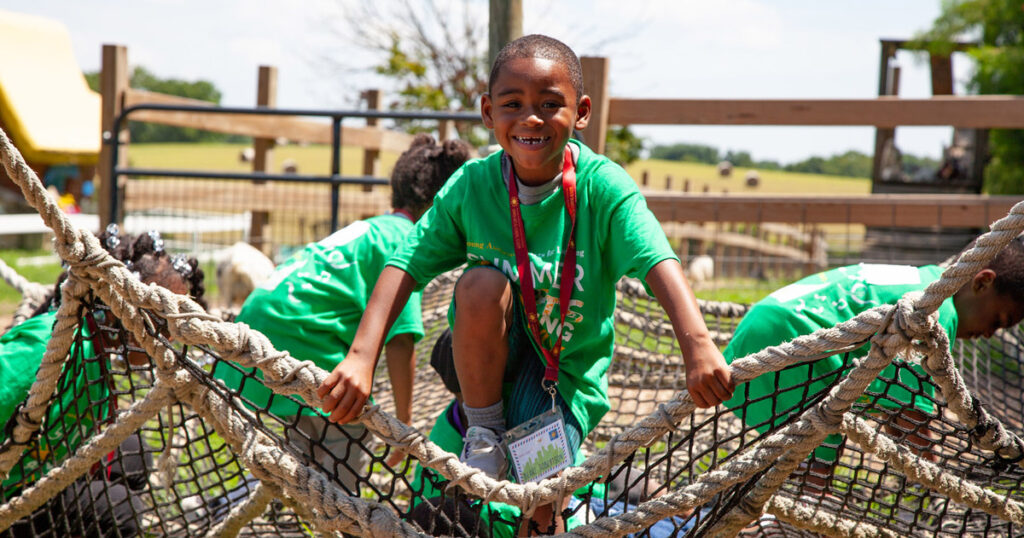
Courtesy of National Summer Learning Association

Real-World Problem-Solving
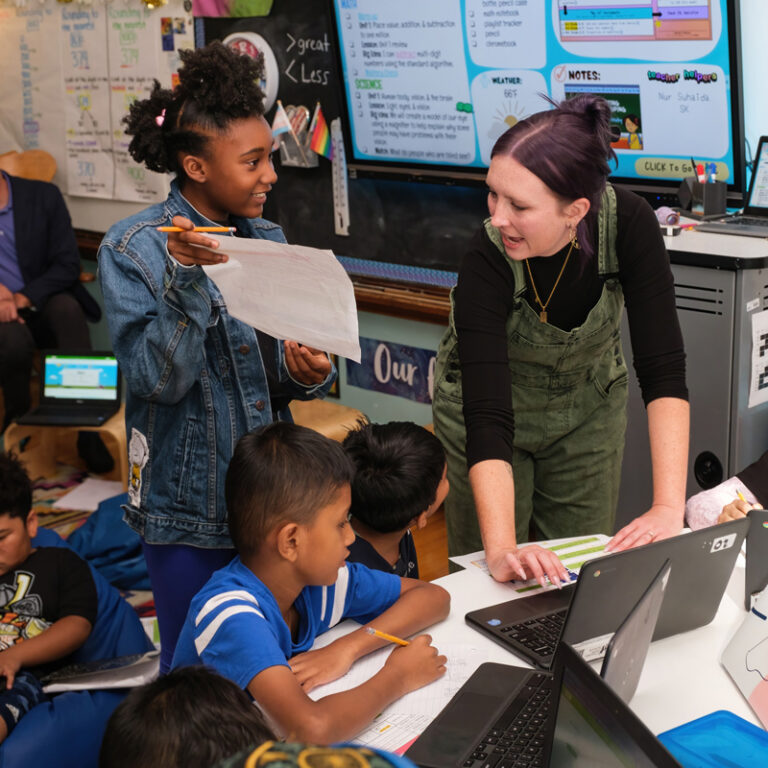
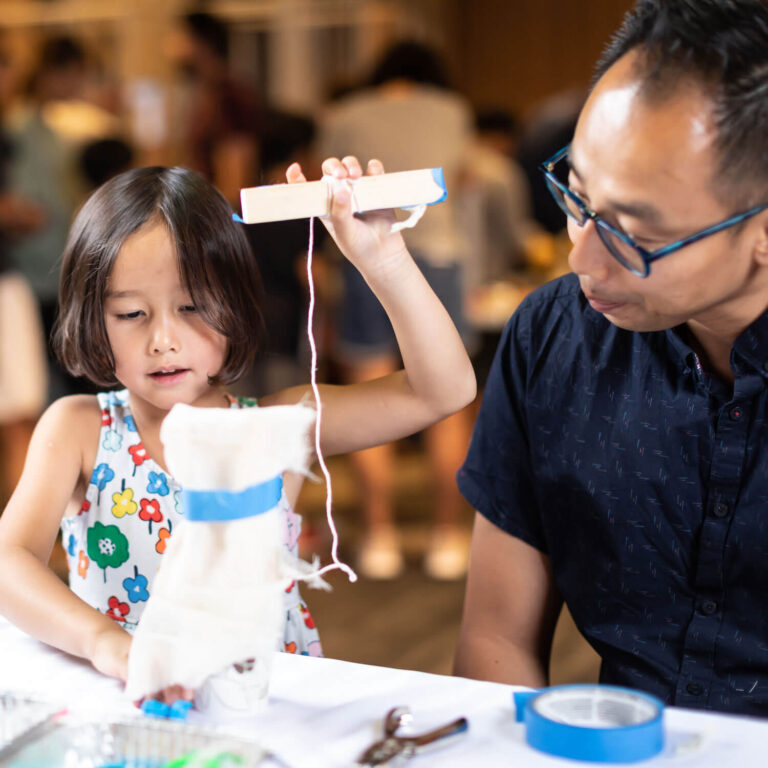
Expand access to active, inquiry-based learning experiences—including out-of-school programs and in-school project-based learning—that build critical thinking and problem-solving skills.

Authentic Connections, Online and Off
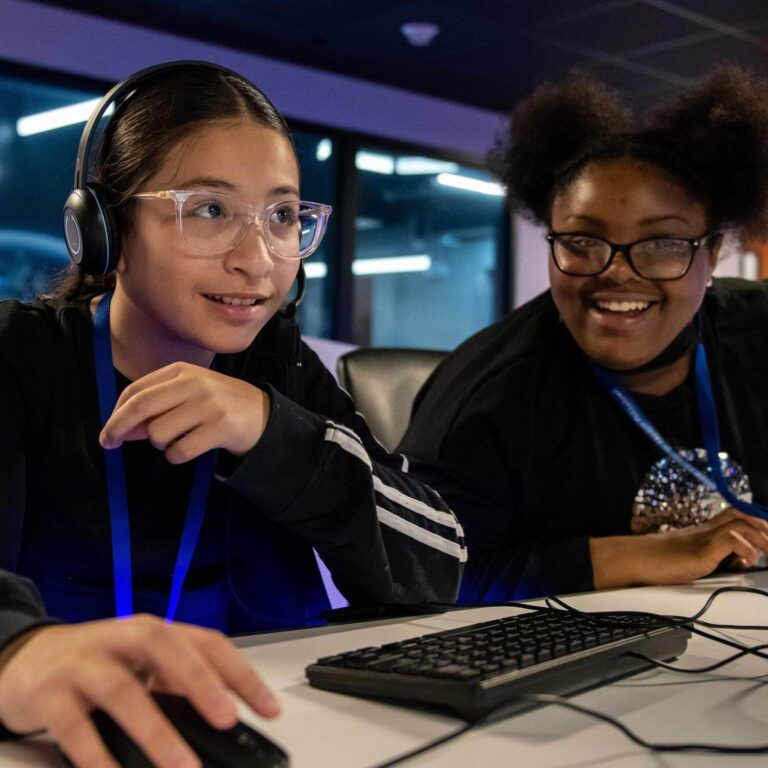
Strengthen communication, collaboration, and agency through online and offline peer-to-peer experiences, mentoring, and advising programs that help young people recognize and fulfill their potential.
Learn more about the grantees helping students build future-ready skills.

Advocating for increased youth access to high-quality afterschool opportunities.
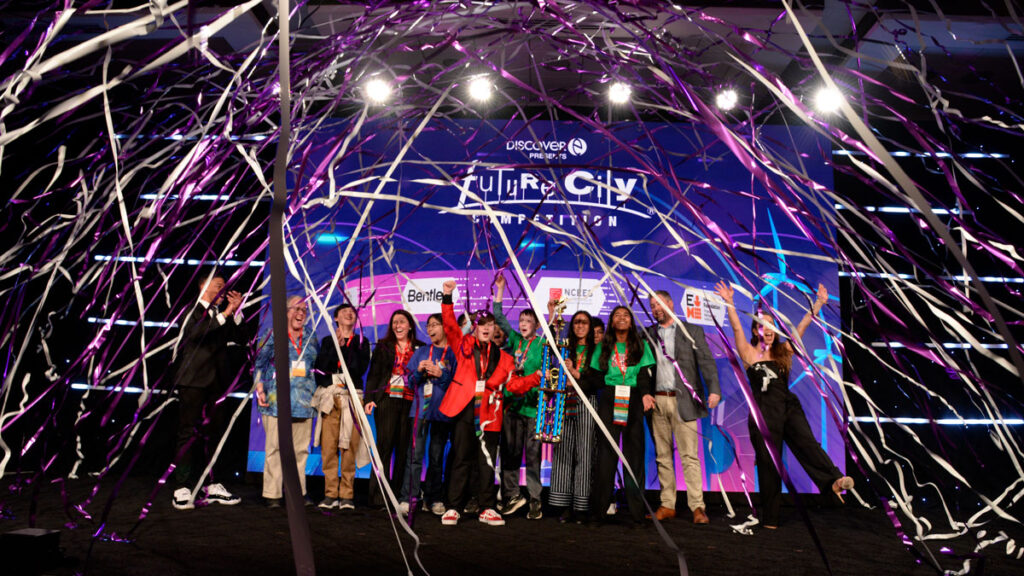
Promoting STEM engagement through hands-on engineering experiences.
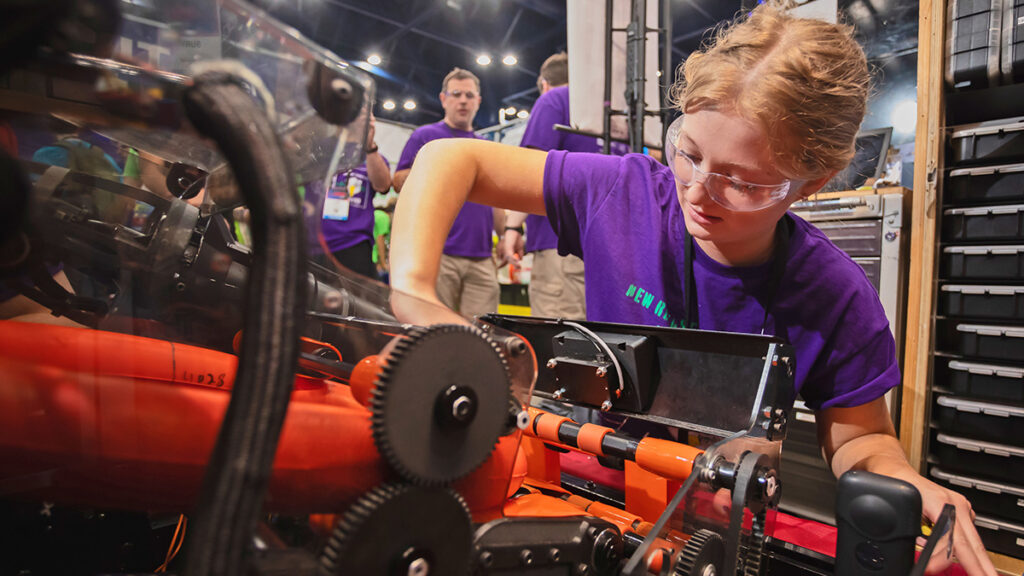
Engaging young people in hands-on robotics to foster positive STEM attitudes and interests.
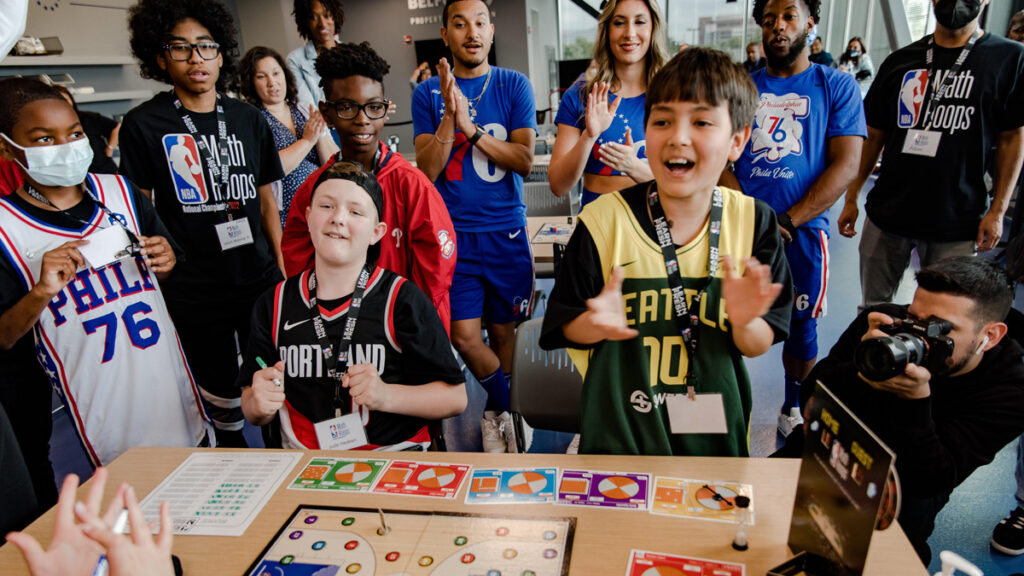
Strengthening students' STEM and interpersonal skills through interactive games and partnerships with the NBA, MLB Players Trust, and MLS.
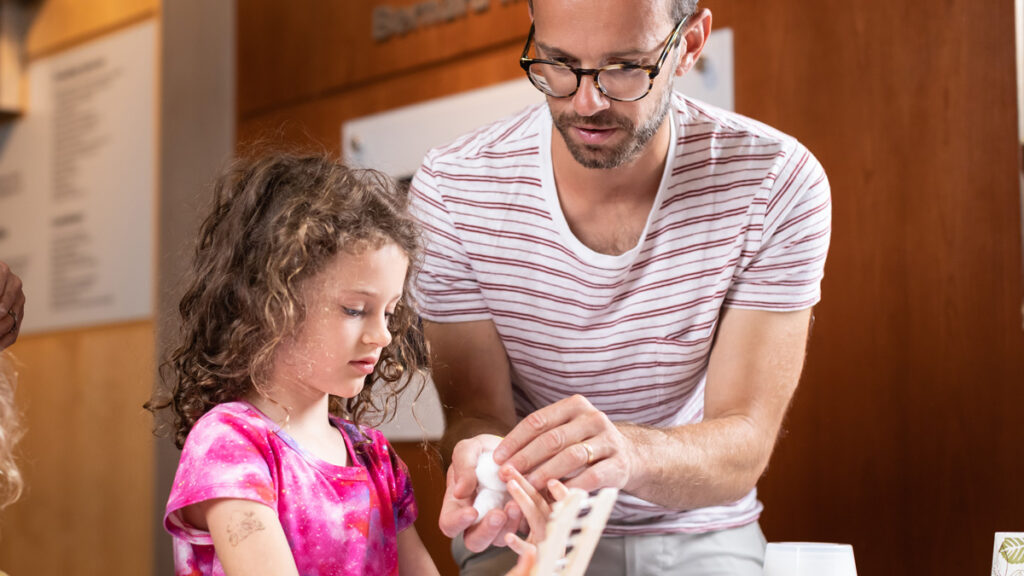
Promoting problem-solving through real-world engineering design challenges.

Nurturing students’ interest in STEM and innovation through a suite of education programs.
Learn more about our grantmaking and the organizations we fund.
As the world becomes increasingly tech-enabled, students will need to navigate more dynamic environments in their schools, communities, and careers. To set students up for success will require extending learning beyond narrow definitions of academic achievement to encompass competencies such as self-efficacy, perseverance, critical thinking, and creativity, that help students become active agents in their learning. While the careers of the future are still unknown, artificial intelligence is already shaping the labor market, elevating the importance of high-order cognitive skills. According to the World Economic Forum, 67 percent of employers today consider resilience, flexibility, and agility as core skills that will be essential for their workforce, while 57 percent pointed to the rising importance of creative thinking.
Pandemic-era isolation disrupted social development for young children nationwide, creating lasting gaps in collaboration, relationship-building, and self-regulation skills. While data for Generation Alpha is still emerging, early indicators are concerning: nearly 25 percent of six- through 11-year-olds show signs of emotional, developmental, or behavioral challenges, and almost 20 percent of parents of six- through 12-year-olds say that their child has few or no friends. Exacerbating this issue is increased screen time: approximately 65 percent of children ages eight through 10 years old are spending up to four hours a day on social media. Given these challenges, high-quality programs that strengthen social connections—both between peers and older youth and with caring, qualified adults—are essential to children’s development. Rigorous research on mentoring, for example, suggests small-to-moderate positive effects on relationship-building, social competence, and peer connectedness, particularly when programs use structured, skills-based approaches and sustained relationships.
Joyful and rigorous learning experiences are crucial to deepening students’ engagement, knowledge, and interest in education topics, but access to these experiences remains limited, further fueling uneven academic progress and persistently high chronic absenteeism rates nationwide. Research suggests that students who report having highly engaging experiences at school are significantly more likely to feel optimistic about and prepared for their future, but more than one in three students report not feeling that they’ve recently learned anything interesting in school. Meta-analyses of project-based learning demonstrate medium-to-large positive effects on students’ academic achievement and moderate effects on students’ motivation. OpenSciEd, a freely available curriculum aligned with the Next Generation Science Standards that promotes project-based learning and student-led inquiry, is developed on the research base that shows a more facilitative and exploratory approach helps students develop the ability to grapple with big ideas beyond their current understanding. Field testing of the curriculum showed positive initial outcomes, with more than 90 percent of students reporting that instruction was relevant to them; participation data showing that materials supported engagement across demographic groups; and 93% of teachers reporting that materials are “some” or “far” more likely to help students meet state science standards compared to existing curricula.
Meaningful, active learning experiences aren’t limited to school: students regularly participating in afterschool programs experience increases in academic performance and increases in the likelihood of graduating from high school. Out-of-school settings are also particularly well-suited to promote social-emotional outcomes, such as empathy, self-awareness, collaboration, problem solving, and responsible decision-making, due to greater flexibility in programming and a deeper focus on exploration and student-driven learning. A study of the National Inventors Hall of Fame summer day camp program, Camp Invention, showed an increase in science and math interest; an increase in problem-solving and inventing skills; and a lowering of science and math anxiety after just four days of participation for students who reported at least some room for improvement at the program’s start. Some states and municipalities are starting to recognize the skills and competencies youth build in out-of-school-time settings for credit within the traditional school system, suggesting out-of-school settings may play a more prominent role within the system going forward.
Discover additional insights and lessons learned
View our blogOur grantmaking and strategic support focus on three areas that together set children up for lifelong success.